Here on the Farmlet it seems that every fall, just when we start getting some great color, the wind comes and takes it all away. This fall was no exception and to make matters worse I find myself lame and on a walking stick. And for those who are wondering, “YES, I am going to the Dr. tomorrow because it has been a week and I am not improving.”
However, wind and lame knee aside, I decided I would give it my best shot and get out to see if I could capture what remains!
 Lil’ Bit tiptoeing through the wet leaves.
 A festive chicken yard
 The newly revamped front flower bed.
NOTE: It used to be harder to find native plants, shrubs, and perennials, but all of a sudden the deep South is “getting it.” I am back in my element! Not all is native, but the bulk of it will be when I am done!
 *Winged Sumac
 This is something I have wanted in my garden for some time, but had not found a local source for it. I don’t know how it got here perhaps a bird, or the tornado storm, but it is definitely a welcome native. Do you know why she is called “winged?”
Notes from the USDA Native Plants Database: “Sumac serves primarily as a winter emergency food for wildlife. Ring-necked pheasant, bobwhite quail, wild turkey, and about 300 species of songbirds include sumac fruit in their diet. It is also known to be important only in the winter diets of ruffed grouse and the sharp-tailed grouse. Fox squirrels and cottontail rabbits eat the sumac bark. White-tail deer like the fruit and stems.
Sumac also makes good ornamental plantings and hedges because of the brilliant red fall foliage.“
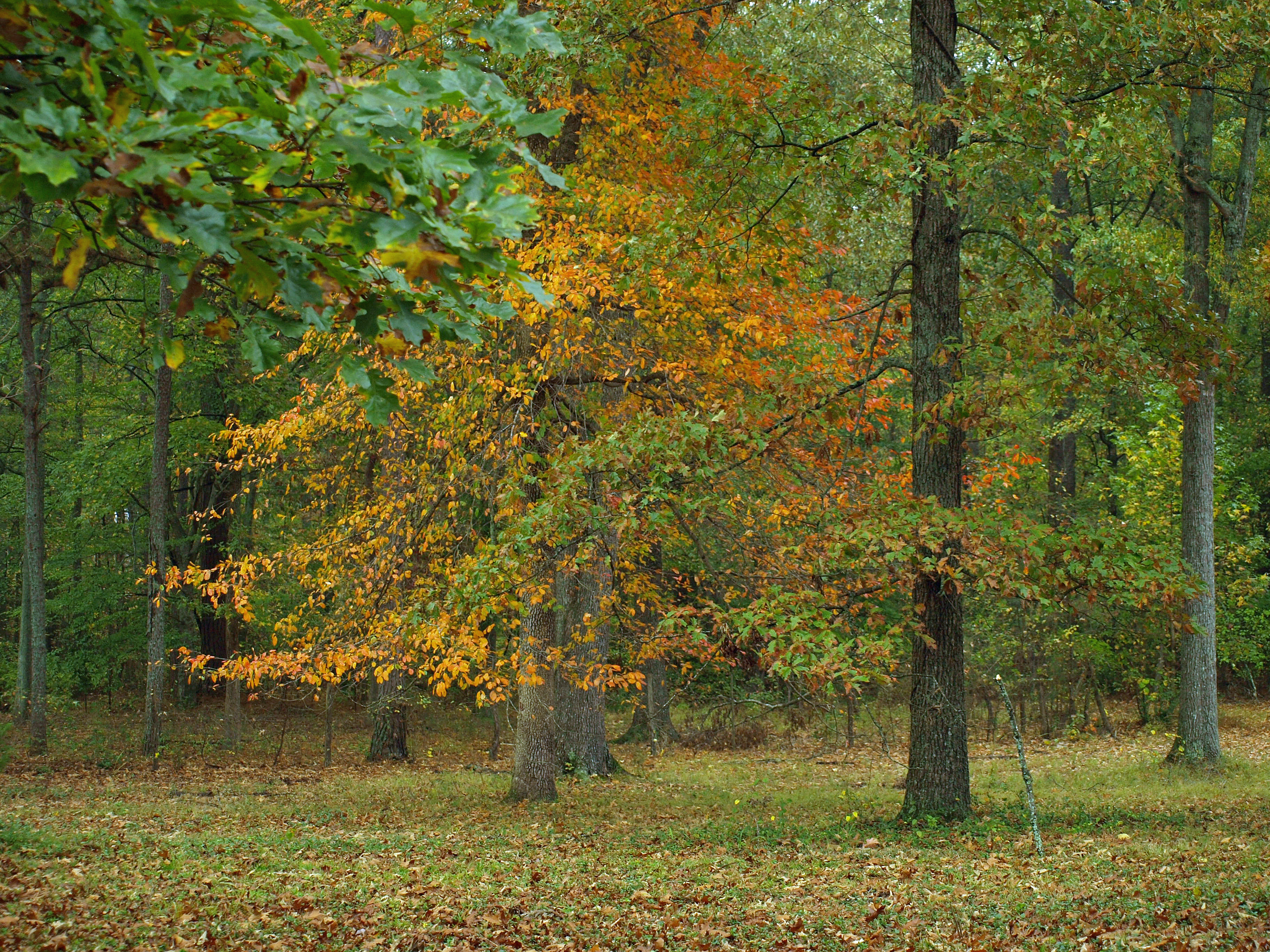
One burnished tree.
This one can be viewed closer by clicking on it. 😉
~*~
Happy Autumn!
~*~
(I had fun, even if the results are less than spectacular!)
NOTES:
- Today’s title “Fall is Not Easy” comes from a favorite children’s book I used to share with my little students during the season. If you have little ones Pre-K to 3rd grades (+ or -) then perhaps you would like to preview this entertaining book. Look HERE
- Why is Winged Sumac ‘winged?’ Have a look at the USDA Plant database PDF – HERE and the site information HERE
Related articles
- Native plants support native animal populations (triblive.com)










 Life on the Farmlet