In the Garden: planting octopi

Last month my order from Stark’s Nursery arrived, and the box was almost as big as me!  It contained three bare root fruit trees, an apple, peach, and plum, and twenty asparagus plants.

I was delighted!

We planted the three trees that very Sunday, and I took care of the asparagus on Monday.   I must confess that planting asparagus is like trying to plant an octopus!  Or in this case twenty octopi!  It was very hard work, and Violet helped, but I was tired!

PROCEDURE:

First you dig the hole, then mound up the dirt in the center and place your octopus over the mound like this.
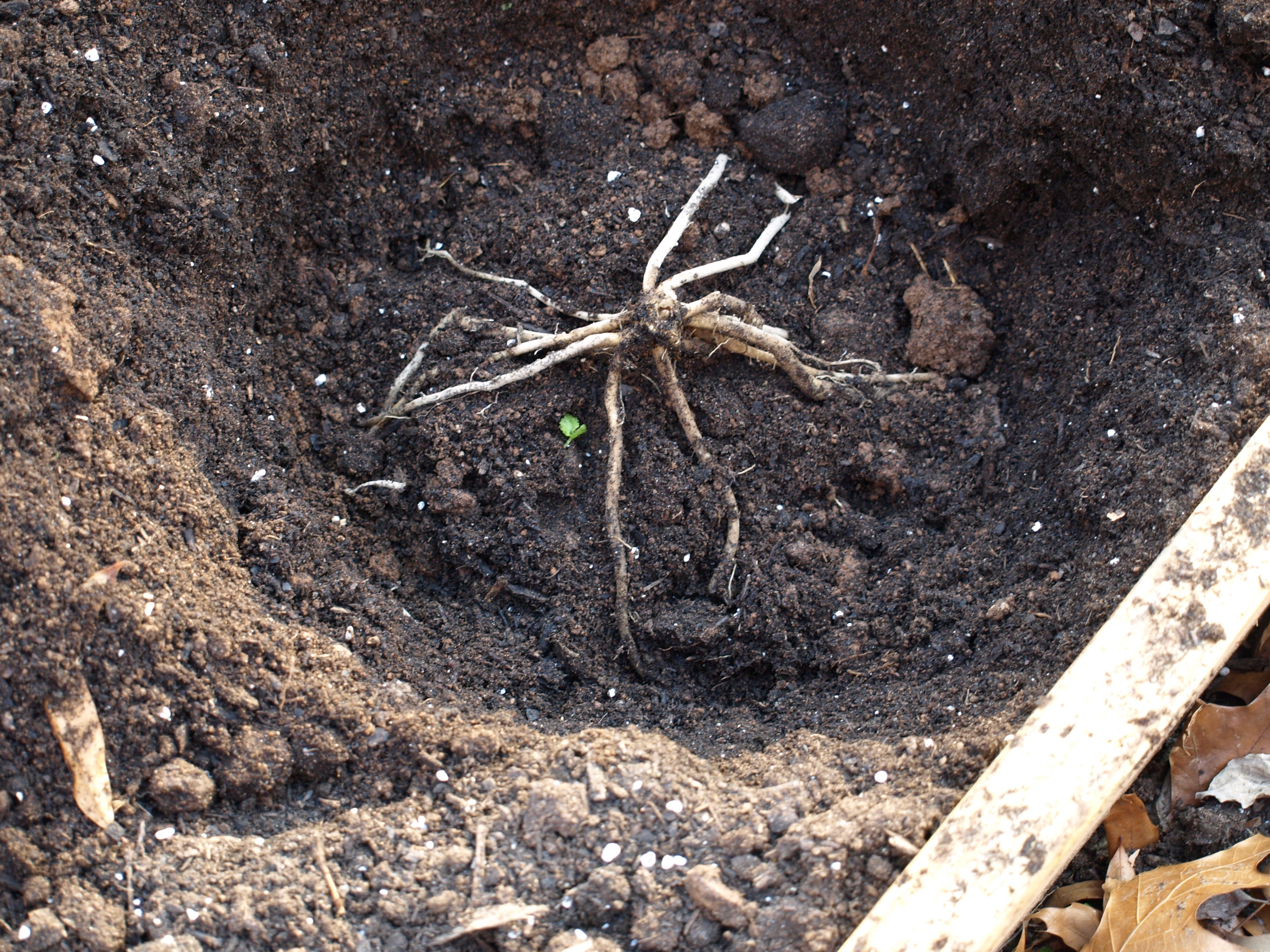
So what’s so hard about that you ask?

Let me back up, then.  Well, for starters I had to entirely amend that clay soil to make it permeable.  Asparagus puts down a very deep root system, some say six feet, others say up to ten feet, and they like good drainage.  Luckily, our clay seems to drain well, but I wanted to give it at least a two foot head start with the amendments.  I had the advantage with the raised bed, but that still meant going down into the base soil for that extra foot.

The next step was getting the tentacles and crown to lay flat on the little hills while I back-filled each hole.  The crowns need to be two to three inches under the soil with no air pockets underneath.   I spread them out, placing the long, rubbery roots down into the soil.  I pressed the crown down and  PoP!  They spring right back up!  I finally learned to just weight them down by placing several large handfuls of soil on the center of the plant.

Now I had to dig, mound, spread roots, hold down crowns and back-fill nineteen more times.

Only three more to go!

The plants are in and watered.  Now I wait.  You see, asparagus takes about three years to mature to a size where you can harvest from the plants.  This is an investment of preparation, care, and time.  However, if you enjoy asparagus, and we do, it is definitely worth the effort, because an asparagus bed will last for years!

~*~

My favorite way to eat asparagus is grilled.  You can do this outside on the barbecue, or in your oven using the broiler.

GRILLING ASPARAGUS:

You will need:

  1. One bunch of asparagus
  2. Olive oil
  3. Kosher salt

Preparation:

  1. Rinse asparagus and drain well
  2. Lightly coat with olive oil and place on foil lined grill if using the broiler, or directly onto a grilling tray if using the barbecue
  3. Lightly sprinkle with kosher salt

This method cooks relatively fast so stay close by.  When the one side has turned a darker green and looks a bit wrinkled (not too much!) turn the asparagus and finish the other side.  Serve immediately.

~*~

NOTE:  Some people, Like the Barefoot Contessa like theirs served with a delightful Parmesan sauce and lemon!  Please click on her name above to be taken to her inspired recipe for this delicious vegetable!

UPDATE:

I just found this lovely article that tells all on Asparagus, its history, uses, nutrition and more.  For instance, did you know this power packed vegetable is from the lily family?  You might like to take a look here at Nutrition and You.

An Anniversary?

I didn’t intend to write today, but was surprised to find out just a moment ago that I have been blogging here on WordPress for four years.

Until I moved from Southern California, a distance of about 2,700 miles from home, I had never felt the need to blog.   However, when you are this far from family and friends, well, there is suddenly a lot to share.  And what better way, than to blog with pictures for punctuation and emphasis!

I think of my blog as an open diary…  and sometimes, when I go back and reread old posts, I am amazed by how much I have learned and grown here on the Farmlet.  I have gained new friends here as well.  You’ve arrived on my little bit of blog from all over the world,  and you have all had a part in helping me to survive the occasional loneliness,  distance, and the learning curve of country life.

Thank you.

Here’s to continued learning, growth, and sharing with old friends and new!

~*~


In the dark with Georgie and Frellnick

Tonight, as every night after the sun goes down, I went out to put away the chickens and geese.   As it often happens, there is no photo-op to capture the moments that happen at “Duck-butt Thirty” of an evening, and so I am left to tell you what happened tonight in the dark…

As stated, each night after sunset I grab a flashlight and head out to put everyone to bed.  I start on the north end of the property and work my way south.  First I put away the girls using my torch to light the way into their goose chalet.  Lately this has been a battle because for some reason Georgie and Frellnick run opposition and chase the girls away from the entrance and into the paddock.  So usually I have to chase them out first, and then guide the girls to bed.

Tonight I had little resistance from them so went about getting the girls in and then walked away to pick up a few things that had blown about in today’s high winds.  When I turned around the boys took off and began dashing at, and biting, the side of the well house!  I had seen this behavior before but never really caught on to what they were doing.  That is until tonight…

They are trying to chase away the big, black geese that are invading their territory!  I turned the light away from the walls and then back again to see if I was right in my theory.  Well, sure enough!  They stretched their necks, and ran at the walls hissing and trying to bite those big black geese again!

So now I am wondering…

Are they seeing their shadows and mistaking them for interlopers?   Perhaps  this is the reason they have been “chasing” the girls at bedtime?   I will have to pay closer attention tomorrow at Duck-butt Thirty and report back in my next post.

😉

Fall revisited, and a bit more on Winged Sumac

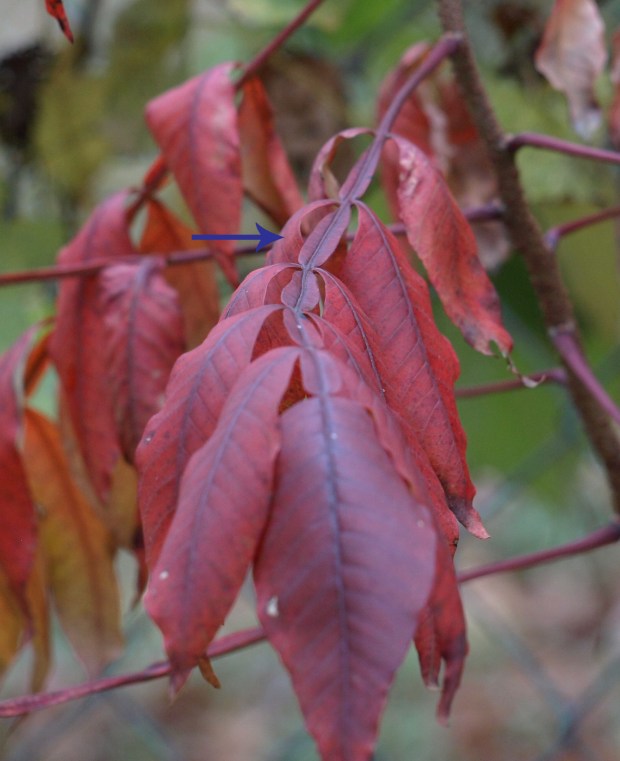
First let me demystify the Winged part of Winged Sumac.

Winged Sumac gets its name from the “wings” that grow along the shaft of its composite leaf.

Here in the closeup is one composite leaf.   For those who may not know, a composite leaf is made up of several leaflets attached to a central stem.  In this young specimen the stem is attached to the main stalk of the plant.

Notice the growth along the shaft?  Those are its wings!  😉

~*~

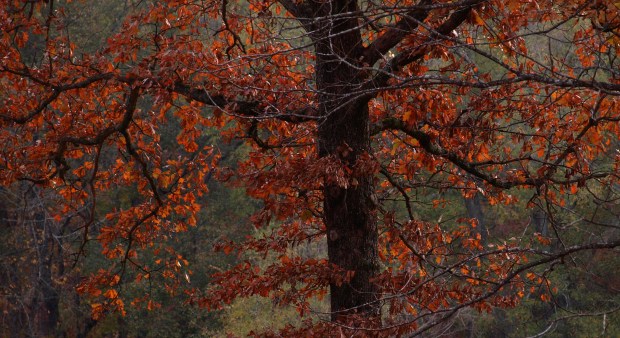
Now for a few more photos of Autumn before it is all gone for 2012

     This was taken at the end of the day with an overcast sky.

So beautiful!

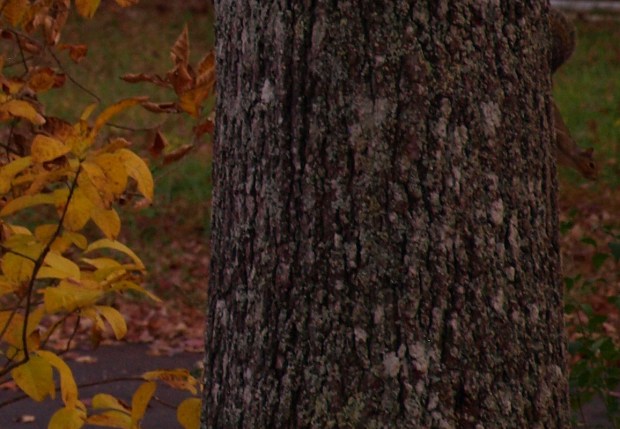
Squirrel!

~*~

Note:  Want to know more about Sumac?  Then check out these informative sites!

How we can utilize the plant…

And how nature and wildlife utilize use the plant…